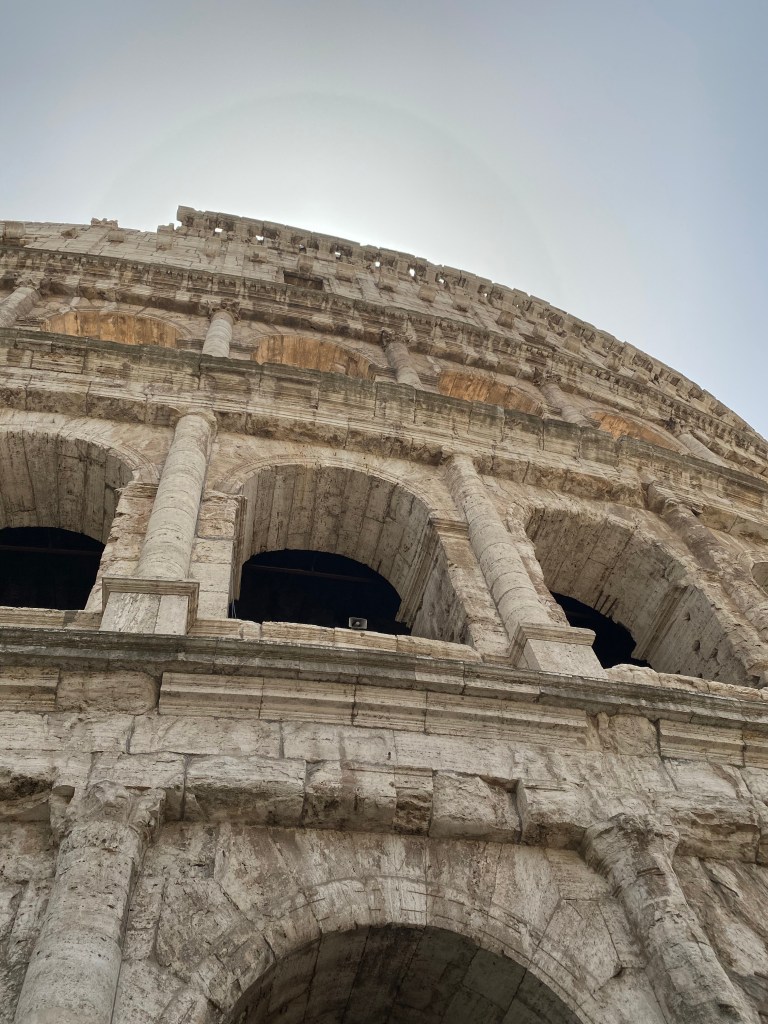
The ancient arena cast a long shadow on the muddled masses of tourists pushing through the long, confusing lines to enter through the security entrances. Once cleared, they begin the arduous climb up the steep steps to take in the views of the arena floor. This modern flurry of activity is not unlike the original gatherings that the Colosseum was built for. Constructed of iron and limestone and then covered in decorative plaster, the massive arena played host to ruckus and deadly games for decades upon decades.
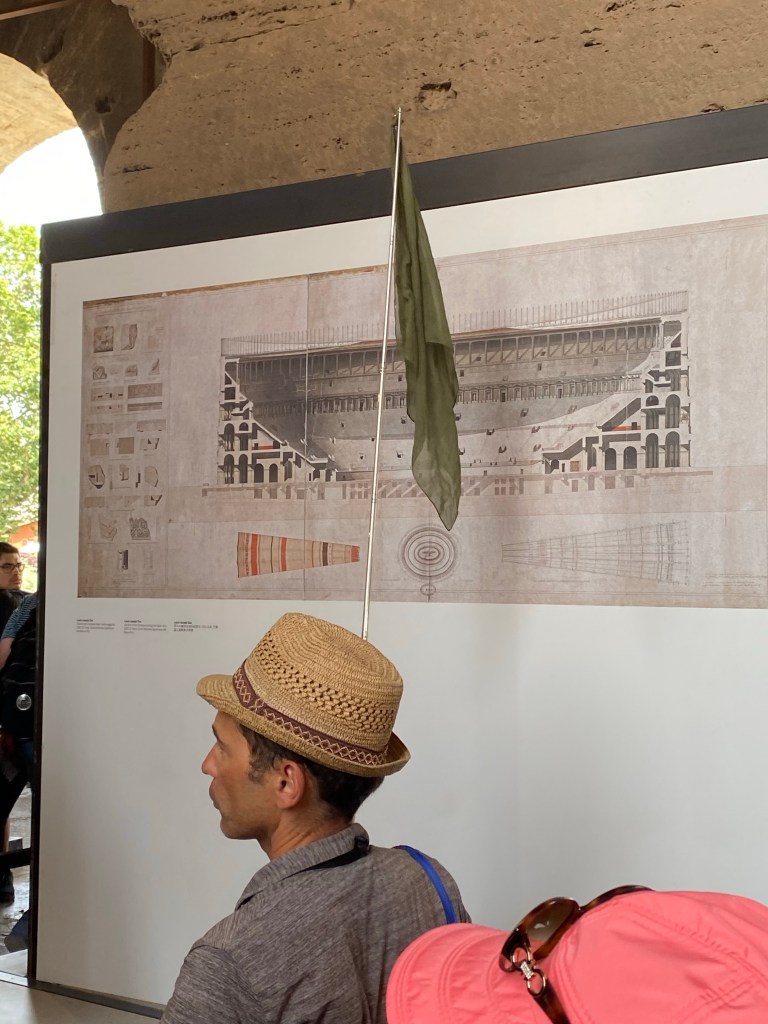
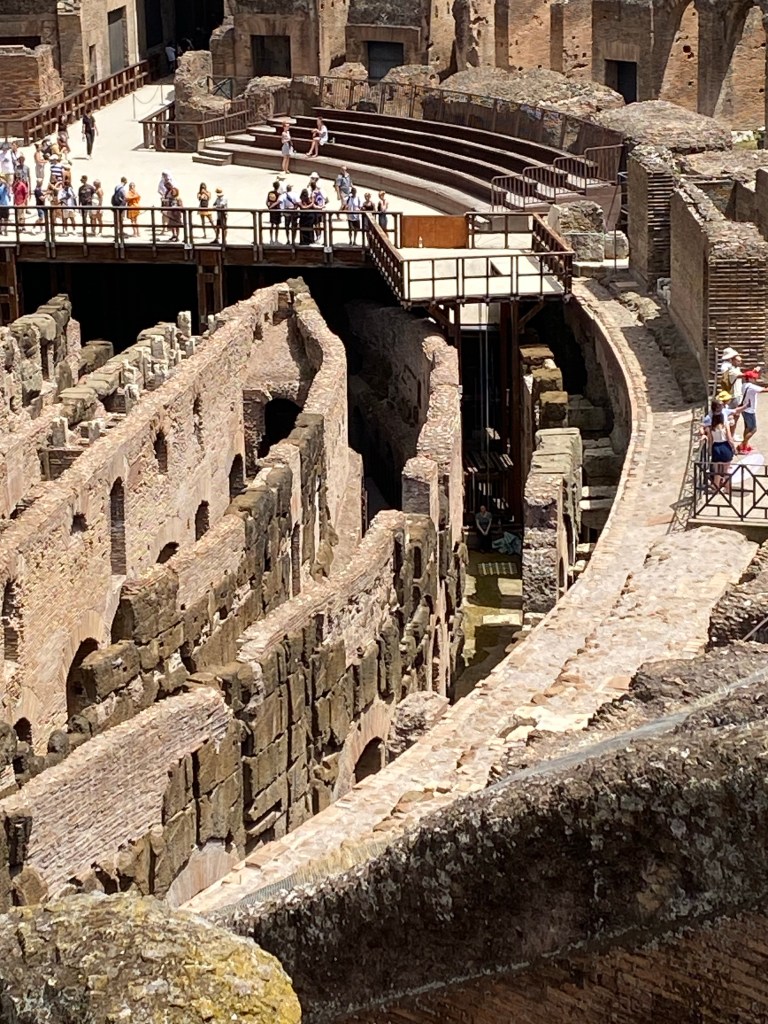
As our guide points out, entertainment in ancient Rome was both a political and monetary endeavor. The Emperor needed to keep the people happy and calm, but also needed satisfy the Gladiator industry, namely the lanistas or owners and trainers of these famed warriors. He did this through strategically picking the winners and losers. The warriors would stand upon the sands (long gone now as we stared down at the remains of the arena floor) and fight, some to the death, but not all.
A common misconception, the guide points out, is that often the lanista and the Emperor needed to make the games last, to drag out the drama if you will. If a warrior was killed too quickly, it cost the Emperor more money as he had to offset the Lanista’s cost of training said warrior. This meant that often a loser would simply fall to ground, having been beaten, and raise two fingers in surrender to be spared to fight another day.
It reminds one if the current style of playoffs in professional sports like basketball or football – the key is keeping the fans coming back for more and not ending the drama too quickly. The worn and weary fighters would depart the arena, the losers in one direction and the winners in the other, also not unlike professional sports.
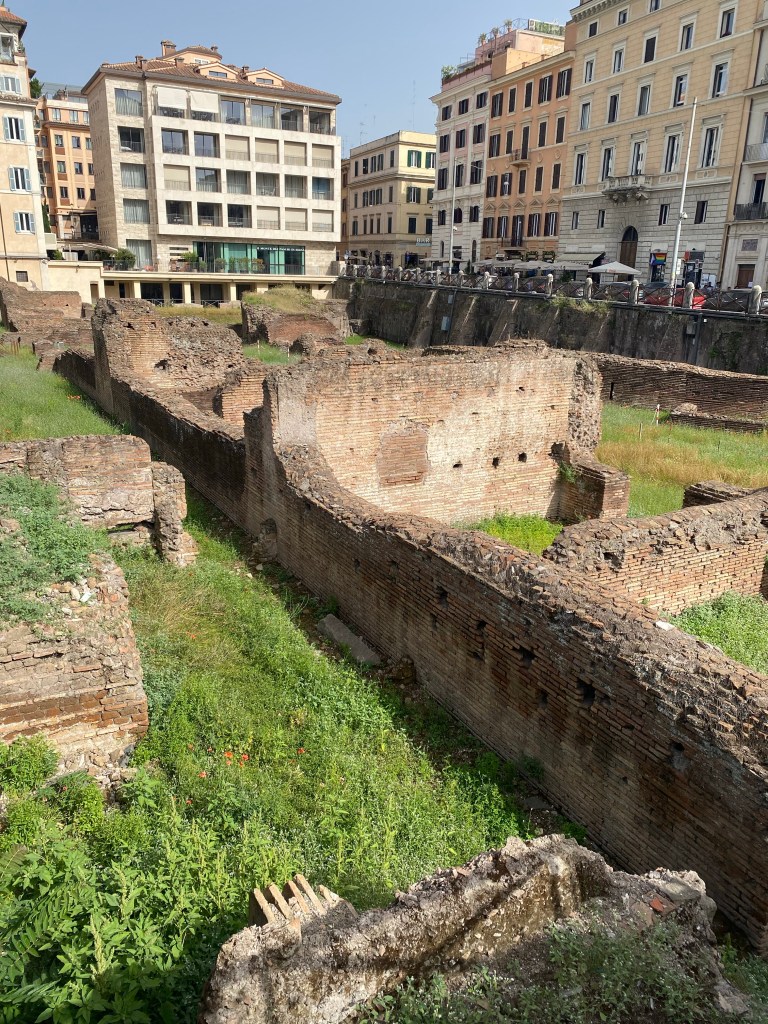
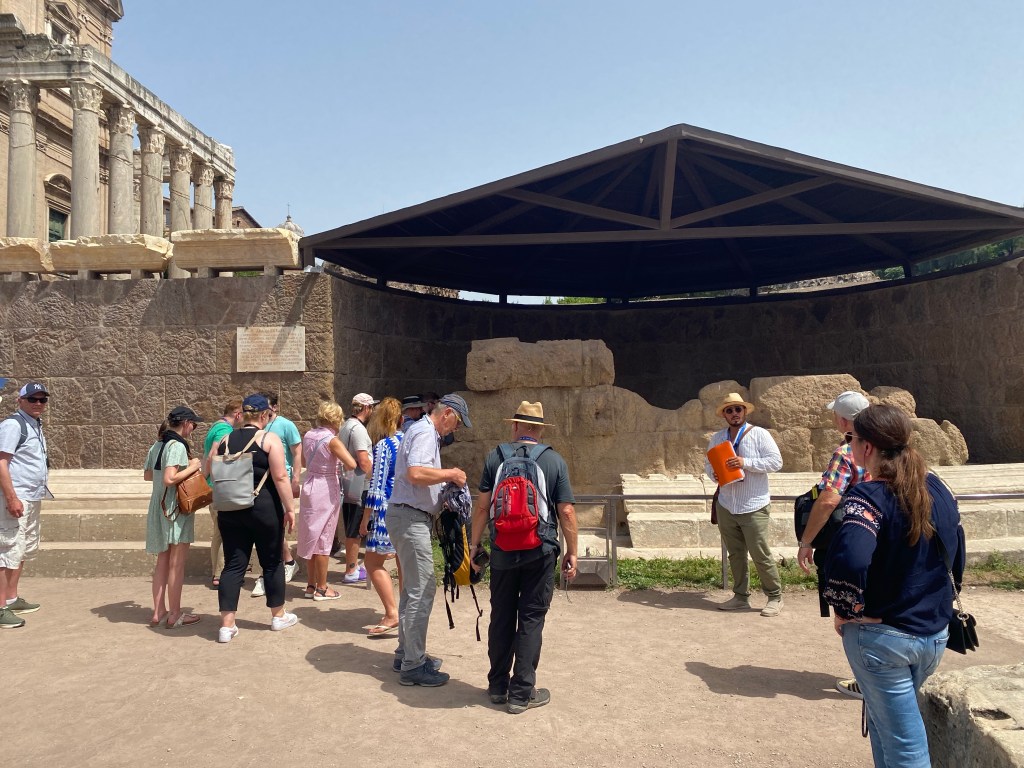
Touring the Colosseum and the near-by Roman Forum is a lesson in history, politics and the Empirical game of power. All throughout each stage of the monuments, ruins and their respective places in chronological history, one can see the chess-like mindset that each party adopted to advance their own agenda. Each temple, each arch, the Emperor’s palace, even the house of the Roman Senate, where Julius Caesar himself was stabbed to death 23 times by 60 senators who thought he was growing too powerful, all tell the painful and cautionary tale of a dangerous addiction to power. It is at once fascinating and terrifying. One can’t help but wonder, as you stand in front of the ruins of the site where Caesar was cremated, who are the real winners and losers are?
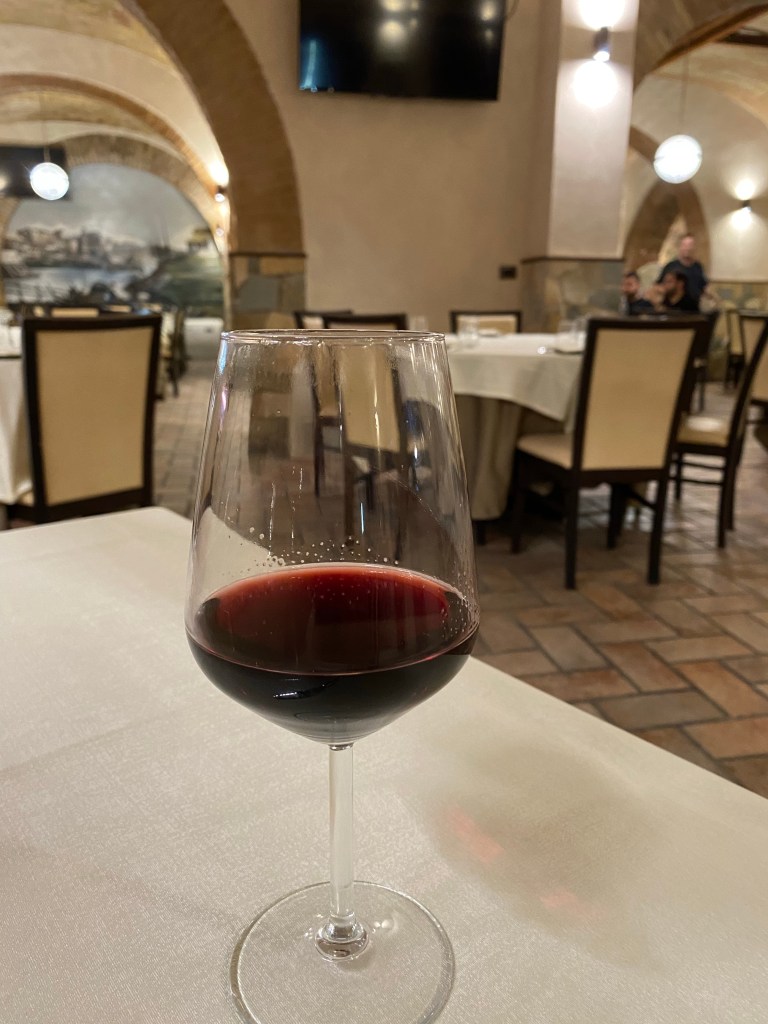
That evening, we walked to nearby restaurant in our local neighborhood called IL Borgo Danielle. Set below the grade off a side road, with a welcoming patio strung with pretty lights, the restaurant is quite spacious and well-appointed with tasteful paintings adorning the walls. Classic and modern pop tunes, including the likes of Motown, Charlie Puth and Latin beats, play overhead as Roman families mingle and take their time eating and drinking at leisure. The waitress seems a little sharp at first, but quickly becomes our friend.
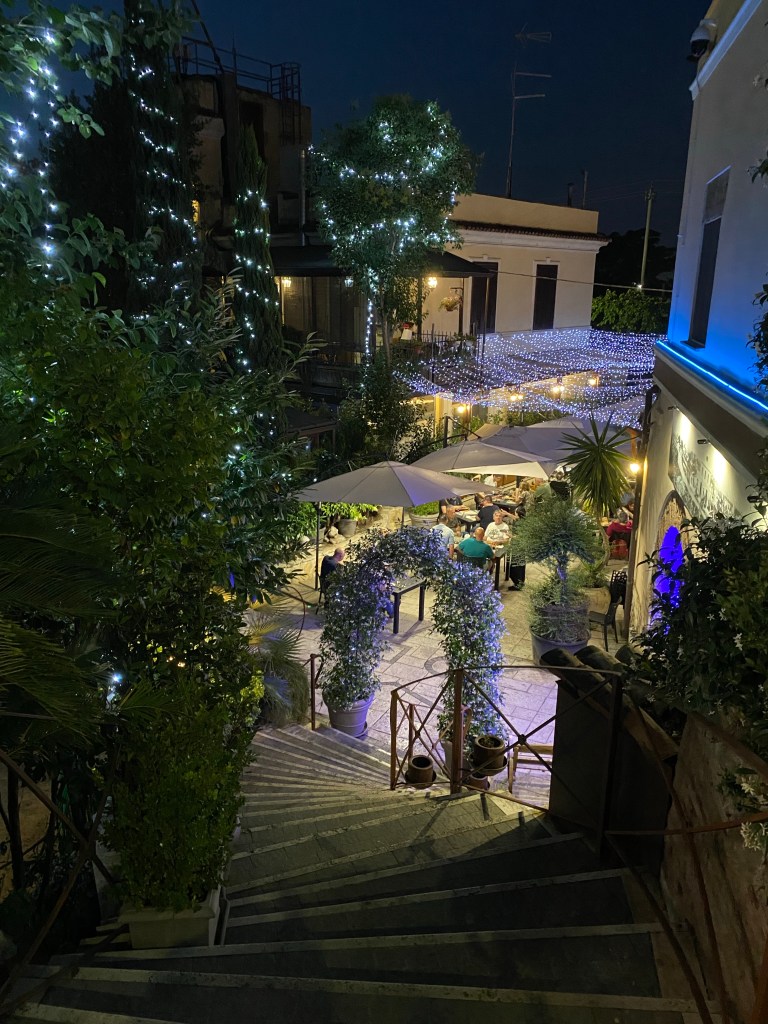
neighborhood.
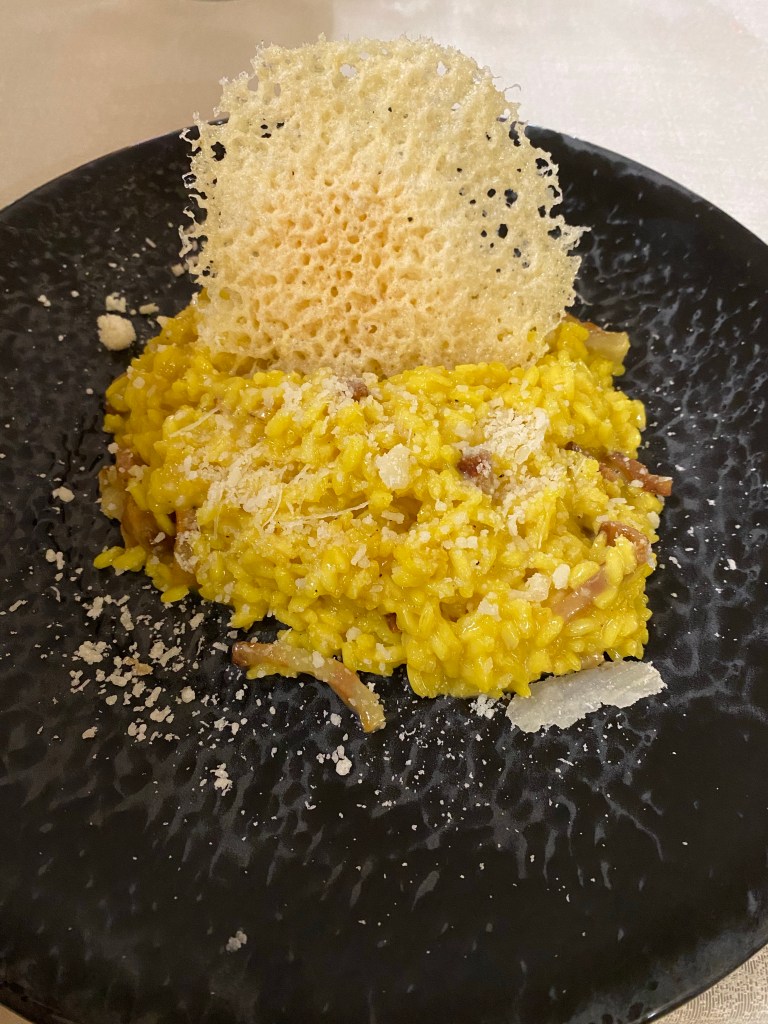
Everything, even the simple Bruschetta, is delicious from the first bite. Followed by the ravioli and risotto with a Parmesan cheese chip, every dish is prepared to Roman perfection. Dessert is not forgotten, but required. Cheesecake, ice cream and the undisputed best tiramisu we’ve ever had are served to be enjoyed as long as we like. There is no rush, no urgency, just food, music, conversation and the affection of strangers who not so strange nor foreign to us now.
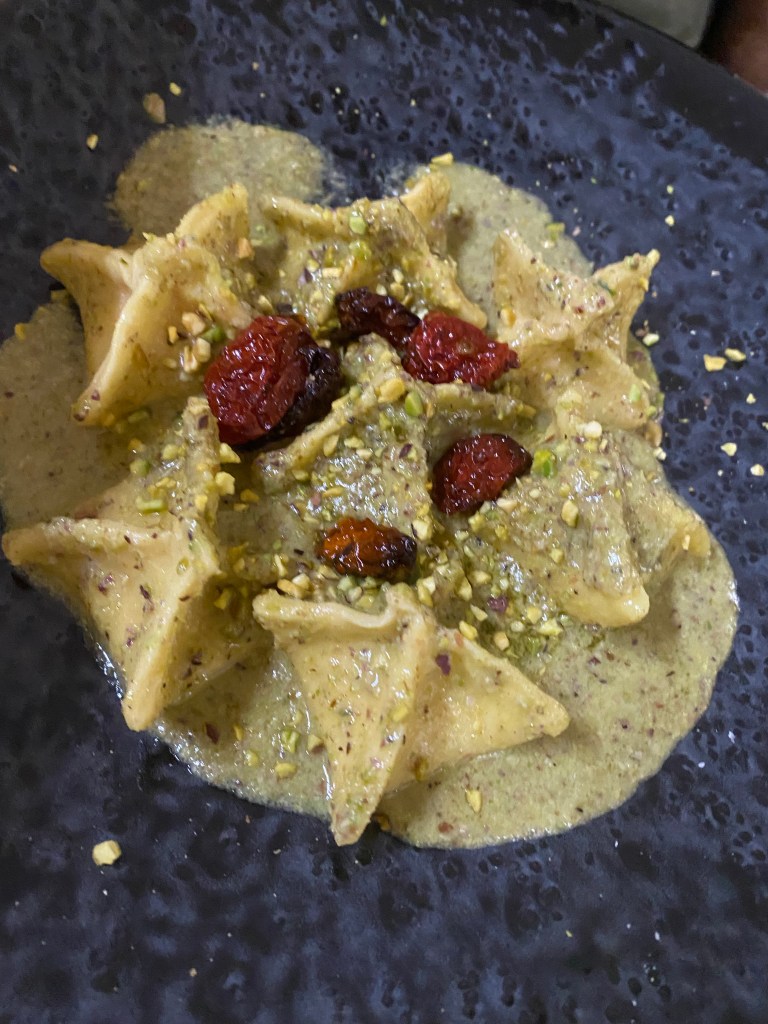
“You come back tomorrow?” the server asks, now apparently expecting us to be regulars. No, I sadly shake my head and explain that we have to fly home.
“Next time,” he smiles.
It is here that I understand who are real winners are. It is us, strangers and travelers welcomed in so graciously by these Romans who share their food, culture and simple pleasures with us. It is also the Romans themselves, modern and distant, yet not fully unlike their ancestors, who enjoy and prioritize time with their families and take deep pride in their food, drink, country and heritage.
No amount of power, political status or purse of gold can replace that.
 The Wandering Foodie
Leave a comment